Get Tree Pruning
Tree pruning services offered by local contractors help remove dead or overgrown branches, improve tree health, and shape trees to ensure safety and proper growth.
If you're considering tree pruning for your property, you're in the right place to explore your options. Proper pruning can enhance the health and appearance of trees, improve safety by reducing potential hazards, and help maintain the overall landscape. Property owners in the area often turn to local contractors to ensure the work is done effectively and with attention to detail, making it easier to plan and compare services that meet specific needs.
Continuing to read can provide valuable insights into how professional pruning services can support your property’s maintenance goals. By connecting with experienced service providers in the community, you can find the right fit for your project-whether for aesthetic improvements, safety concerns, or long-term tree health. This site helps you compare local options to make informed decisions about your tree care needs.
- Tree pruning for safety - needed when overgrown branches pose a risk to property or people.
- Tree shaping and aesthetic pruning - ideal for improving the appearance and structure of ornamental trees.
- Storm damage cleanup - required after severe weather events have caused broken or fallen branches.
- Fruit tree pruning - necessary to promote healthy growth and maximize fruit production.
- Deadwood removal - performed to eliminate dead or diseased branches that can affect tree health.
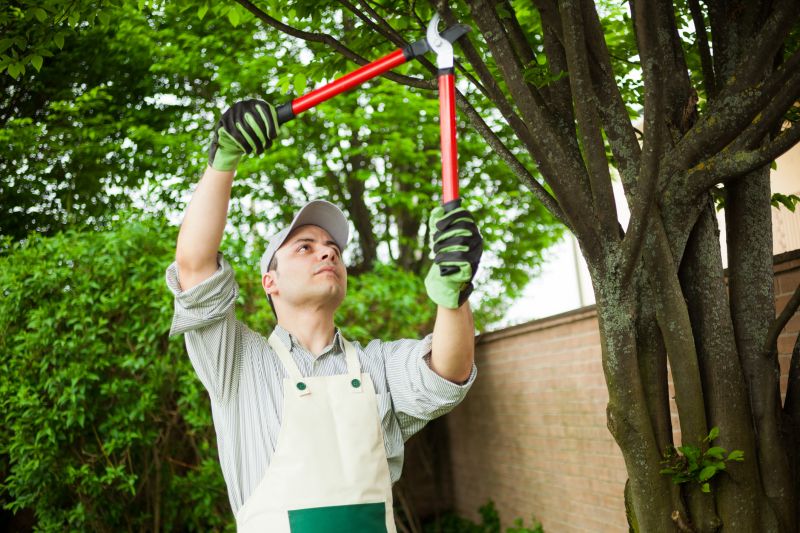
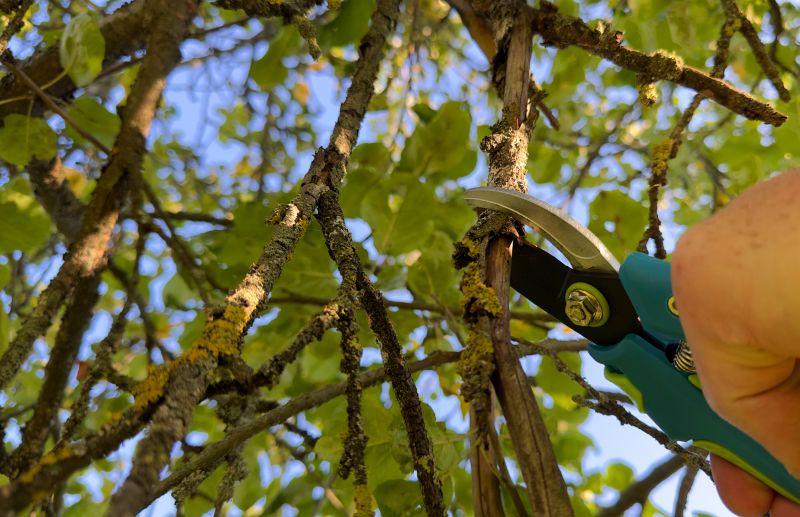
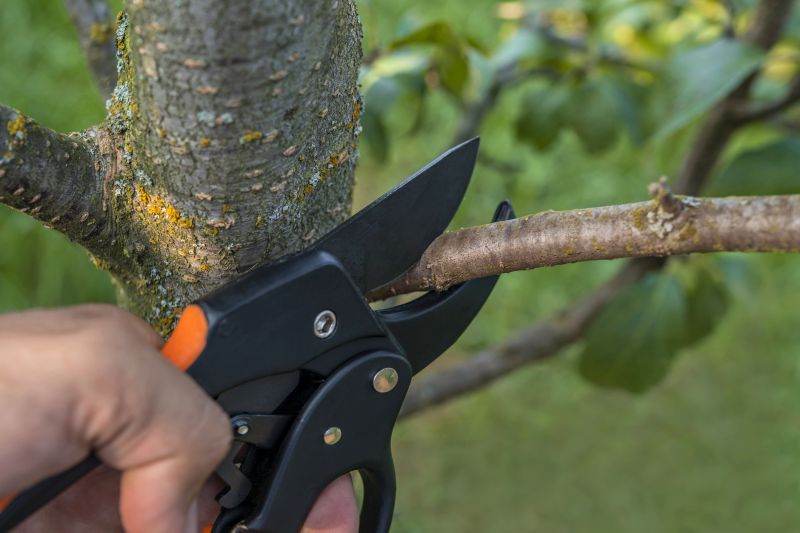
Tree pruning services involve selectively trimming and shaping trees to promote healthy growth, improve appearance, and maintain safety. This process typically includes removing dead, damaged, or diseased branches, thinning out dense foliage, and reducing the size of overgrown limbs. Proper pruning helps ensure that trees remain strong and resilient, preventing potential hazards caused by falling branches or unstable limbs. Skilled service providers use appropriate techniques to avoid damaging the tree’s structure, resulting in healthier, more attractive trees that can thrive for years to come.
Pruning addresses a variety of common problems that can affect trees on residential or commercial properties. Overgrown branches can obstruct walkways, driveways, or windows, creating safety hazards or reducing natural light. Diseased or dying limbs can pose a risk of falling and damaging property or injuring people nearby. Additionally, trees that are poorly shaped or unevenly balanced may require pruning to enhance their overall appearance and ensure stability. Regular pruning can also help prevent pest infestations by removing infected or infested branches early.
Many types of properties benefit from professional tree pruning services. Homeowners with mature trees in yards or gardens often seek pruning to improve curb appeal and maintain safety around their property. Commercial properties, parks, and public spaces also rely on pruning to keep trees healthy and safe for visitors. Even properties with ornamental or fruit-bearing trees may require periodic pruning to encourage better fruit production or flower display. In all cases, experienced local contractors can assess the specific needs of each property and provide tailored pruning solutions.
Homeowners should consider tree pruning when noticing signs of trouble or planning routine maintenance. If trees have branches that are crossing or rubbing against each other, or if there are dead or broken limbs, pruning can help prevent further damage. Overgrown trees that block views, interfere with structures, or pose safety concerns are also good candidates for pruning. Regular pruning not only enhances a tree’s health and appearance but can also extend its lifespan. Contacting local service providers can help determine the right approach to keep trees safe, attractive, and well-maintained.
The overview below groups typical Tree Pruning projects into broad ranges so you can see how smaller, mid-sized, and larger jobs often compare in your area.
In many markets, a large share of routine jobs stays in the lower and middle ranges, while only a smaller percentage of projects moves into the highest bands when the work is more complex or site conditions are harder than average.
Smaller Repairs - minor pruning or trimming of individual branches typically costs between $150 and $400. Many routine jobs fall within this range, depending on tree size and complexity.
Moderate Pruning - shaping or reducing larger trees usually ranges from $400 to $1,000. Larger, more involved projects tend to push into higher tiers but are less common.
Large Tree Pruning - extensive or hazardous pruning of mature trees can cost $1,000 to $3,000 or more. These projects are less frequent and often require specialized equipment.
Full Tree Removal - complete removal of a tree, including stump grinding, generally ranges from $500 to $3,500. Larger or more complex removals can exceed this range depending on accessibility and size.
Actual totals will depend on details like access to the work area, the scope of the project, and the materials selected, so use these as general starting points rather than exact figures.
Tree Removal - professionals skilled in safely removing trees, which shares planning and equipment considerations with pruning projects.
Stump Grinding - involves the use of specialized tools to remove tree stumps, requiring similar knowledge of tree health and safety protocols.
Hedge Trimming - involves shaping and maintaining shrubbery, utilizing similar pruning techniques and tools as tree trimming.
Landscape Maintenance - includes pruning and caring for various plants, requiring planning and knowledge of plant growth habits comparable to tree pruning.
Garden Clearing - involves removing overgrown or unwanted vegetation, which involves planning and the use of cutting tools similar to pruning practices.
Storm Damage Cleanup - entails removing broken or fallen branches, requiring skills in cutting and safety procedures akin to tree pruning services.
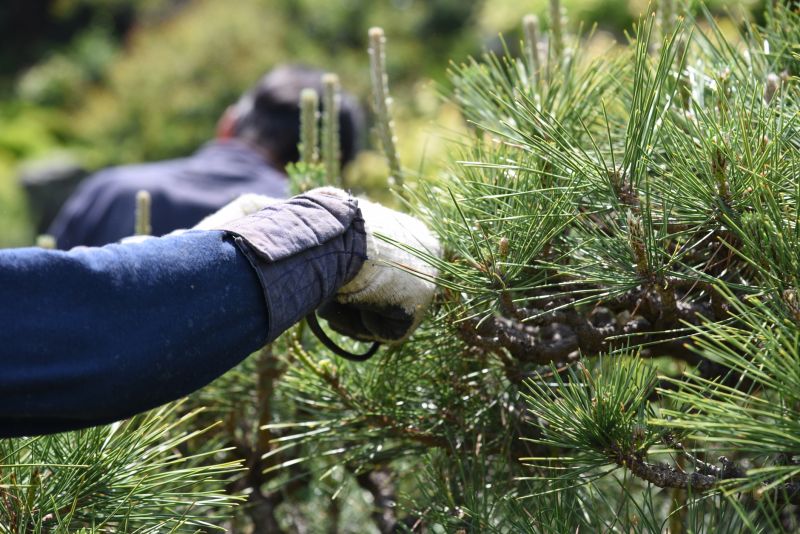
When comparing local contractors for tree pruning services, it’s important to consider their experience with similar projects. Look for providers who have a track record of handling trees comparable in size, species, or location to your own. An experienced professional will understand the nuances of different trees and be better equipped to deliver quality results while minimizing potential risks. Asking about past projects or reviewing portfolios can help gauge their familiarity with the specific type of pruning needed for your trees.
Clear, written expectations are essential to ensure everyone is on the same page before work begins. Reputable service providers should be willing to provide detailed descriptions of their proposed approach, the scope of work, and any recommendations. Having this information in writing helps prevent misunderstandings and ensures that the project aligns with your goals. It’s also beneficial to inquire about their process for addressing unforeseen issues that might arise during the job.
Good communication and reputable references are key indicators of reliable local contractors. Service providers who are responsive, transparent, and willing to answer questions demonstrate professionalism and respect for your property. Requesting references from previous clients can offer insights into their work ethic, reliability, and the quality of their results. These steps help build confidence that the contractor can meet expectations and handle the project efficiently, making it easier to select a trustworthy partner for your tree pruning needs.
Property owners use Tree Pruning services for practical projects around their homes and businesses. This guide focuses on everyday jobs and straightforward project options.
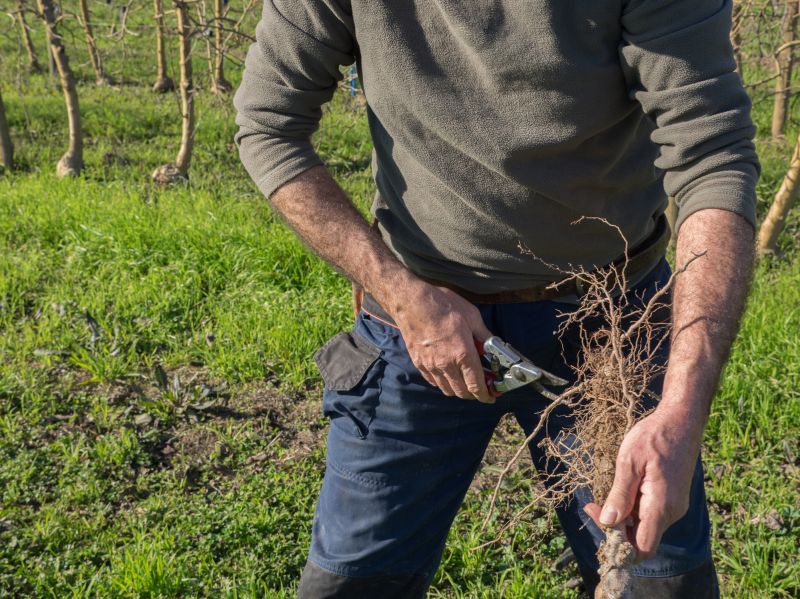
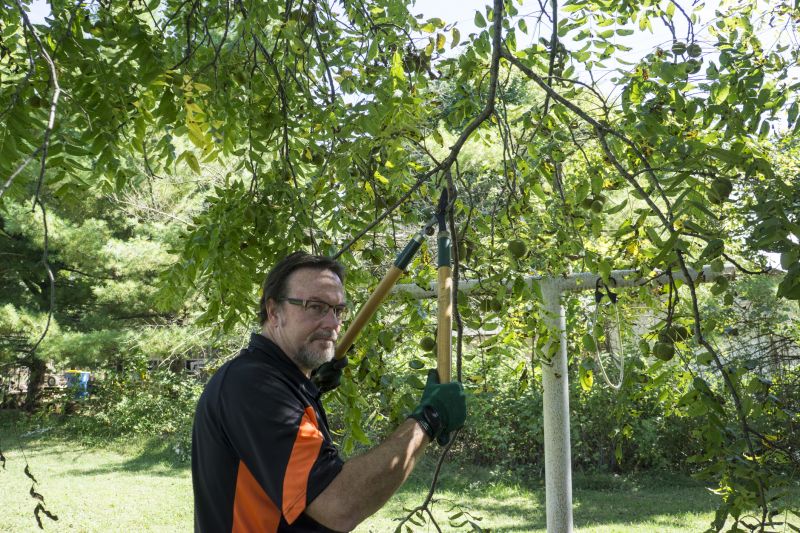
Tree pruning is a common need for property owners who want to maintain the health and appearance of their trees. Overgrown branches can interfere with power lines, block sunlight, or pose a risk of falling during storms. Local contractors who specialize in tree care can help clear away dead or problematic limbs, improve airflow, and promote stronger growth, making outdoor spaces safer and more attractive.
Many property owners seek tree pruning services to enhance curb appeal or prepare for seasonal changes. Regular pruning can prevent potential damage to structures or nearby plants, and it helps keep trees healthy by removing diseased or damaged branches. Service providers in the area are equipped to handle a variety of project sizes, ensuring that trees remain a safe and attractive feature of any property.
Why is tree pruning important? Tree pruning helps maintain the health, safety, and appearance of trees by removing dead or overgrown branches that may pose risks or hinder growth.
What types of pruning do local contractors perform? Local service providers typically offer crown thinning, crown lifting, deadwood removal, and shaping to suit the specific needs of each tree.
How often should trees be pruned? The frequency of pruning depends on the tree species and its growth pattern, but many trees benefit from regular inspections and pruning every few years.
Can pruning help prevent tree damage during storms? Yes, properly pruned trees are less likely to suffer damage during storms, as weak or hazardous branches are removed beforehand.
What signs indicate a tree needs pruning? Signs include dead or broken branches, overcrowding, or branches that interfere with structures or power lines, indicating that pruning may be needed.
Tree Trimming for Safety - Regular pruning helps remove dead or overhanging branches that could pose hazards during storms or high winds.
Enhancing Property Appearance - Proper pruning maintains a neat, attractive landscape by shaping trees and encouraging healthy growth.
Improving Sunlight and Airflow - Trimming allows more sunlight into outdoor spaces and improves airflow around trees and nearby structures.
Preparing for Seasonal Changes - Tree pruning before winter or spring can support healthy growth and reduce the risk of damage from seasonal weather.
If you are thinking about Tree Pruning for a property, this guide is meant to help you understand the work, the typical project types, and how different options might fit your plans.
When you are ready, you can use the quote form on this page to share a few details about your project. From there, local pros can review the basics and respond with options that match what you have in mind.