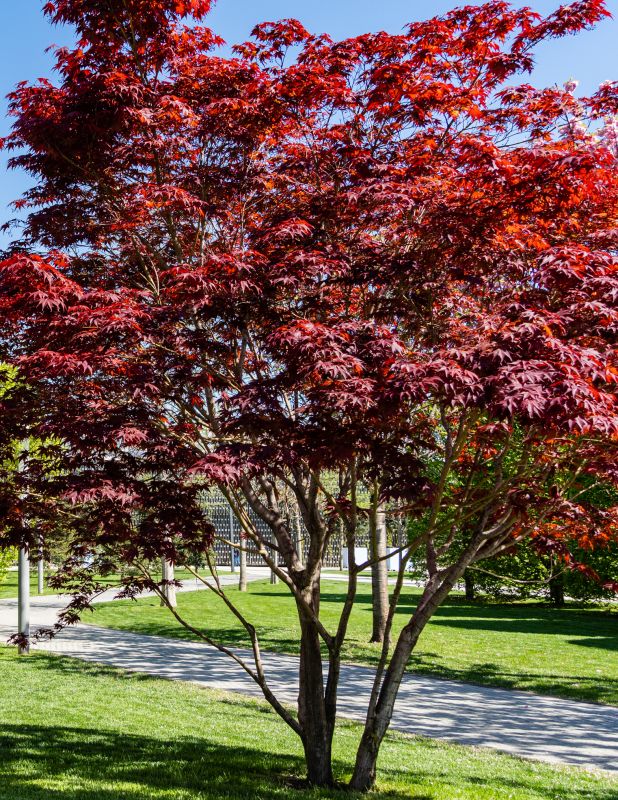
Japanese Maple Pruning in Pottstown, PA
Japanese Maple Pruning services involve carefully trimming and shaping Japanese maple trees to promote healthy growth, enhance their natural beauty, and maintain proper size and structure. This service typically covers pruning for aesthetic purposes, removal of dead or diseased branches, and thinning to improve airflow and light penetration. Property owners often request this work to ensure their trees remain attractive and healthy, especially when the trees are positioned near homes, walkways, or gardens where overgrowth could pose issues.
Before requesting Japanese Maple Pruning, property owners should consider the age and health of the tree, as well as their desired appearance and the specific location of the tree on the property. Understanding the importance of proper pruning techniques can help prevent damage and ensure the tree’s longevity. Clear communication about the tree’s size, shape preferences, and any concerns about disease or safety can help guide the pruning process to meet expectations effectively.
Many property owners in Pottstown, PA look into Japanese Maple Pruning for repairs, replacements, upgrades, and appearance-related improvements.
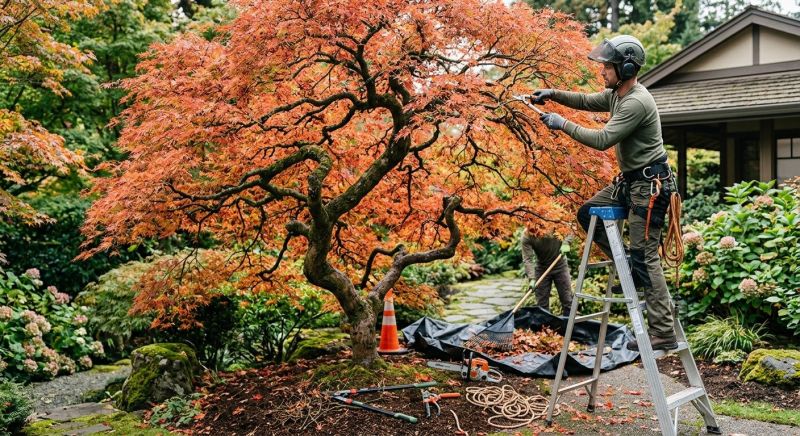
Shaping The Tree's Form
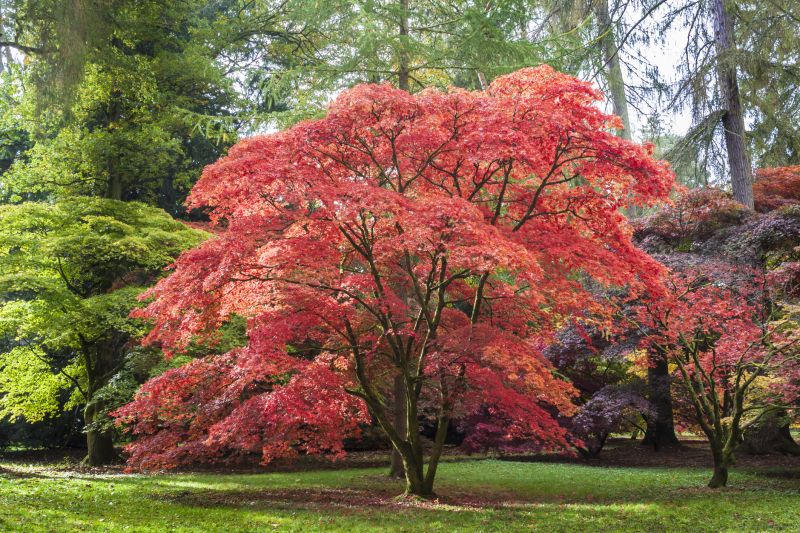
Pruning enhances the natural shape and structure of japanese maples for aesthetic appeal.
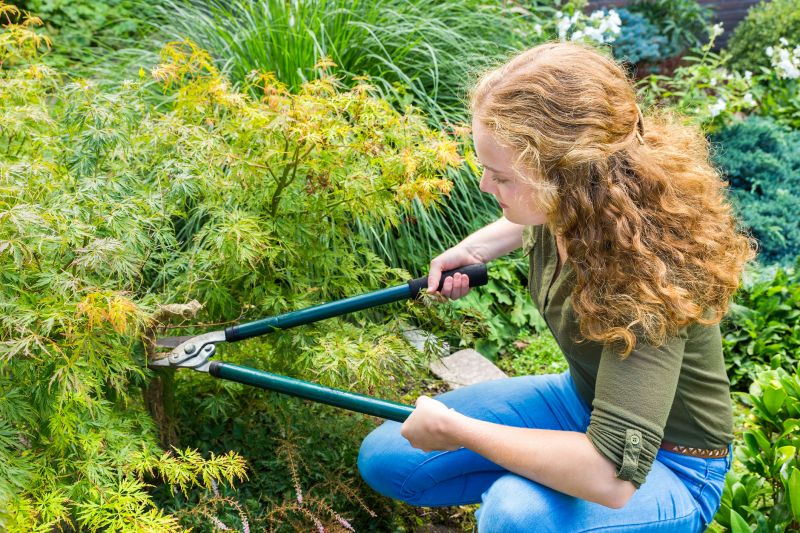
Promoting Healthy Growth
Proper trimming encourages vigorous growth and helps prevent disease in japanese maples.
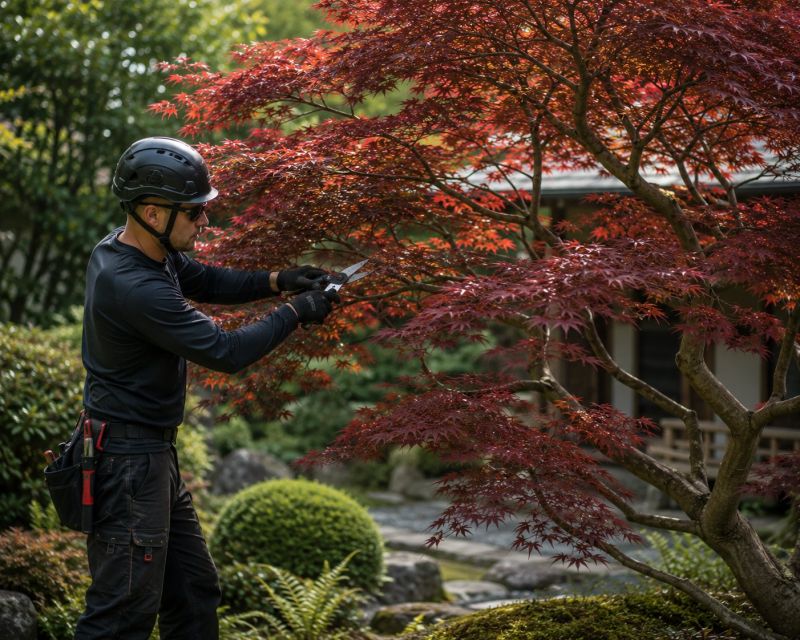
Seasonal Maintenance Tips
Regular pruning during the right season supports the overall health and longevity of japanese maples in pottstown, pa.
Japanese Maple Pruning in Pottstown, PA
Japanese Maple Pruning services involve carefully trimming and shaping Japanese maple trees to promote healthy growth, enhance their natural beauty, and maintain proper size and structure. This service typically covers pruning for aesthetic purposes, removal of dead or diseased branches, and thinning to improve airflow and light penetration. Property owners often request this work to ensure their trees remain attractive and healthy, especially when the trees are positioned near homes, walkways, or gardens where overgrowth could pose issues.
Before requesting Japanese Maple Pruning, property owners should consider the age and health of the tree, as well as their desired appearance and the specific location of the tree on the property. Understanding the importance of proper pruning techniques can help prevent damage and ensure the tree’s longevity. Clear communication about the tree’s size, shape preferences, and any concerns about disease or safety can help guide the pruning process to meet expectations effectively.
Many property owners in Pottstown, PA look into Japanese Maple Pruning for repairs, replacements, upgrades, and appearance-related improvements.
Common Japanese Maple Pruning Jobs
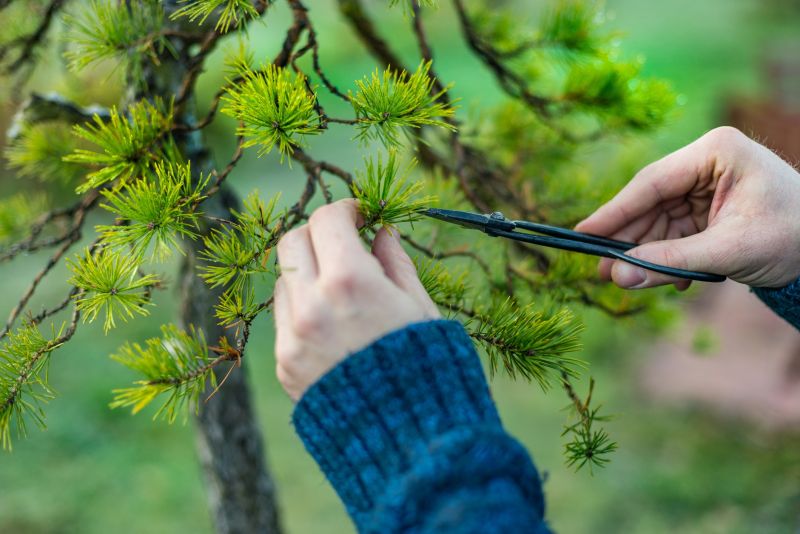
Japanese Maple Pruning - shaping and trimming to maintain desired form and size.
Selective Thinning - removing internal branches to improve air circulation and light penetration.
Deadwood Removal - eliminating damaged or diseased branches to promote healthy growth.
Structural Pruning - supporting the tree’s natural shape and preventing potential hazards.
Seasonal Pruning - performing trimming at optimal times for healthy development.
Overgrown Tree Trimming - reducing excessive growth to enhance aesthetic appeal and safety.
Japanese Maple Pruning Questions
Why is pruning Japanese Maples important? Proper pruning helps maintain shape, encourages healthy growth, and prevents disease.
When is the best time to prune a Japanese Maple? The ideal time is late winter or early spring before new growth begins.
How much should be removed during pruning? Only dead, damaged, or crossing branches should be pruned to preserve the tree’s natural form.
Can pruning improve the tree’s overall health? Yes, selective pruning can promote better airflow and reduce pest and disease issues.
Request Japanese Maple Pruning in Pottstown, PA
Use the quote form on this page to share the basics of your project and request more information for the type of work you need.